
International search engine for Technology for Meat and Alternative Proteins
Status: Exhibitors of IFFA 2025
Animal Welfare & Visual Inspection

Description
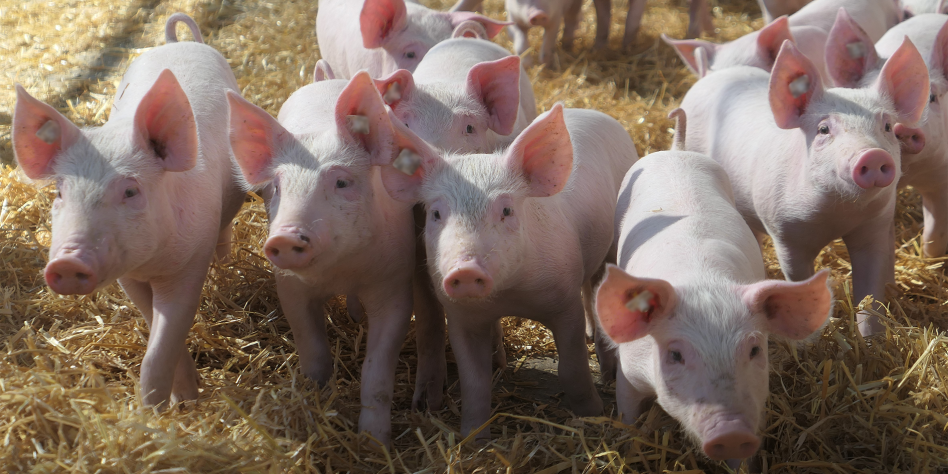
Foodfair offers several AI systems that contribute to improved animal protection and thus ensure increased animal welfare. The pilot system AI-Animal Welfare recognizes several animal welfare characteristics simultaneously directly on the conveyor belt. The included AI modules for tail recognition, ear recongition, skin recognition, gender recognition and official identification recognition detect animal welfare-relevant characteristics automatically, objectively and in real time.
Foodfair also offers an AI-supported assistance system that consists of several modules for organ assessment on the slaughter line. Consistent and objective organ assessment is a major contribution to improving animal welfare. Moreover, these assistance systems relieve the burden on inspection specialists and provide support for an objective and complete assessment of the liver, heart, lungs, pleura, and peritoneum, among other regions and organs of the carcass.
Foodfair's animal welfare AI modules operate in real time, delivering valuable information about animal health, origin and husbandry conditions – everything is reliably documented in ERP and QA databases and immediately available on the production line. The result is a solid foundation for compliance, transparency, and informed animal welfare improvement strategies.
The AI-Animal Welfare and AI-OrganInspection systems integrate into existing IT environments and actively contribute to traceability, comprehensive documentation, and improved animal welfare.
🔍 The modules at a glance:
🟢 AI Organ Inspection:
Detects abnormalities in organs such as the liver, lungs, or heart using AI-based visual assessment. → Supports quality control, provides insight into animal health, and aids carcass classification.
The AI assistance system for organ inspection consists of several modules that can be used individually or in combination. With several synchronized cameras, real-time detection of abnormalities and pathological changes, and full integration of the results on the production line, the AI-OrganInspection system offers strong support for inspection specialists. Currently, the system is being prepared for government approval; a thorough and reliable validation procedure is being designed with the largest district veterinary office in Germany. It will be tested in the near future.
🟢 AI Tail Recognition:
AI tail recognition provides classification of tail length and detects partial losses and pathological changes such as necroses – in both docked and curly tails.
🟢 AI Ear Recognition:
AI ear recognition recognizes the presence of left and right ears. Moreover, partial losses and the corresponding probable cause (slaughter processing artifact or healed necrosis) are recognized, as are pathological changes such as cauliflower ear.
🟢 AI Skin Recognition:
AI Skin Recognition identifies conspicuous skin features of various origins, such as pathological changes, large-area bite marks caused by dominance fights, and mishandling caused by humans.
🟢 AI Gender Recognition:
AI gender recognition determines the gender of each carcass – whether it is a fattening pig, sow, or boar. Furthermore, a contribution is made to animal welfare – with the help of the testicle classification included in the system, the effect of non-surgical castration and the associated boar risk is evaluated non-invasively. The farmer receives feedback on the effect of vaccination-based castration.
🟢 AI Tattoo Recognition :
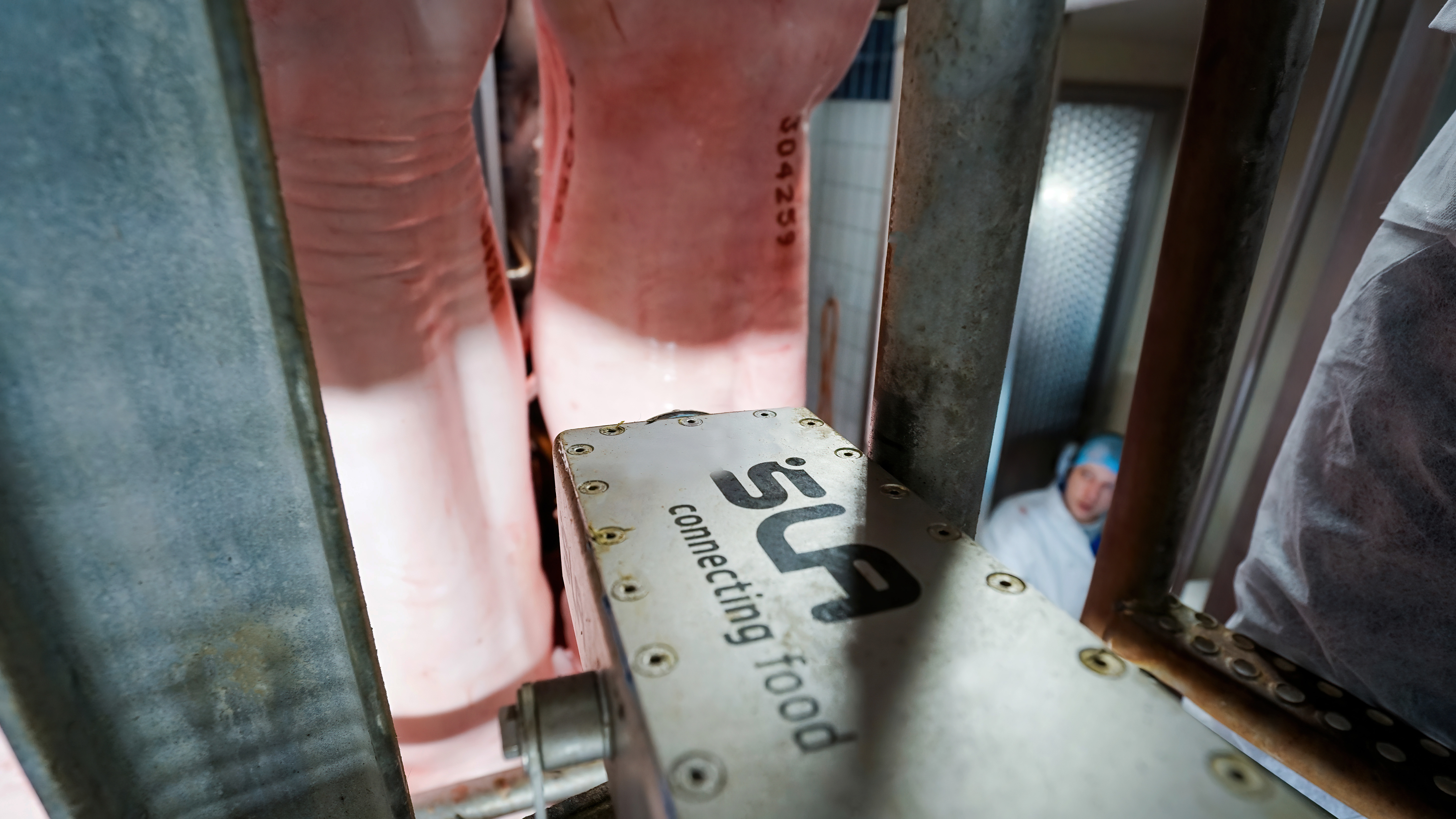
The official identification code that identifies the farm where the pig was raised is usually tattooed onto each pig up to two times by the farmer or transport company prior to transport to the slaughterhouse.
The AI tattoo module recognizes the tattoos and evaluates their quality. For example, the system assesses whether the tattooing was carried out with or without ink. Also, the amount and positions of the tattoos are also recognized to indicate conspicuous markings. In this way, the AI tattoo module supports animal welfare goals. The abbreviations and identifying numbers are entered into company and QA databases in real time. The system thus ensures seamless traceability and supports the animal welfare characteristic of securing the traceable identity of each animal.
💡 Your Benefits:
🔹 Objective and autonomous recognition and recording of animal welfare indicators
🔹 Relevant data for QA, audit, identification & animal health certificates
🔹 Clear relief for visual inspection – especially at high production rates
🔹 Higher transparency towards farmers, consumers, authorities & certification centers
🔹 Flexible implementation: modules of the AI animal welfare and AI organ inspection systems can be used individually or in any combination
Your advantage: With these tools, animal welfare becomes visible – and measurably better. Digital, transparent, and ready for companies that take responsibility seriously.