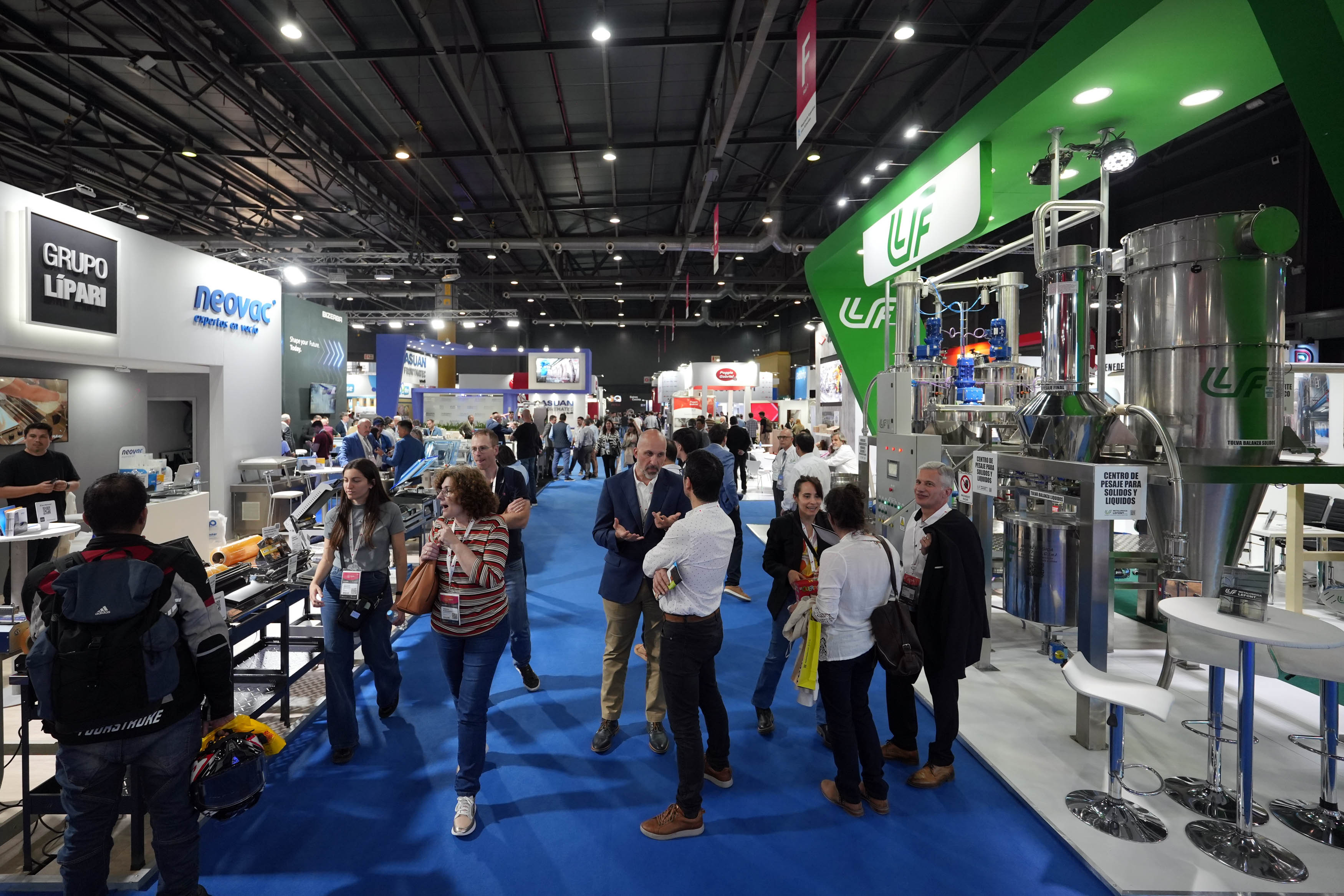

Meat processing in Latin America is undergoing a technological transformation. Overall, the food industry is under significant pressure to adapt: rising customer expectations, stricter regulations, labour shortages and sustainability targets are accelerating investment in modern processing technologies. This transformation is particularly relevant in Latin America, where food production is a major economic factor. In Brazil, Argentina, Mexico, Chile and Uruguay in particular, animal protein processors are increasingly turning to automation, artificial intelligence and digital connectivity to boost productivity and quality and meet international market requirements.
For meat producers, automation has become a strategic priority. They must process higher volumes whilst simultaneously meeting the requirements of supermarket chains, foodservice operators and export markets. Automated cutting, portioning and packaging systems are therefore a key focus, while machinery is increasingly taking over repetitive and physically demanding tasks.
With the help of artificial intelligence, data from sensors, production facilities, laboratories and supply chain platforms is analysed, thereby providing the basis for faster and more accurate decision-making. This is particularly important for exporters, as international buyers are demanding increasingly stringent evidence of safety, compliance and production practices. Digitalisation is also enabling connected and traceable supply chains. Food processors use integrated platforms to link production facilities, quality management and supply chain data. For export-oriented companies, this is becoming an increasingly important competitive factor in view of growing requirements for proof of origin and safety. Argentina, for example, is using digital and satellite-based traceability systems; similar developments are under way in Brazil, Uruguay and Paraguay.
The combination of a high-performing agricultural sector with Industry 4.0 offers Latin America the opportunity to strengthen its international position as a supplier of high-quality and sustainable food. Technology providers and processors alike are finding a growing market for data-driven production solutions in the region.
Tecno Fidta 2026: Technologies for the food production of tomorrow
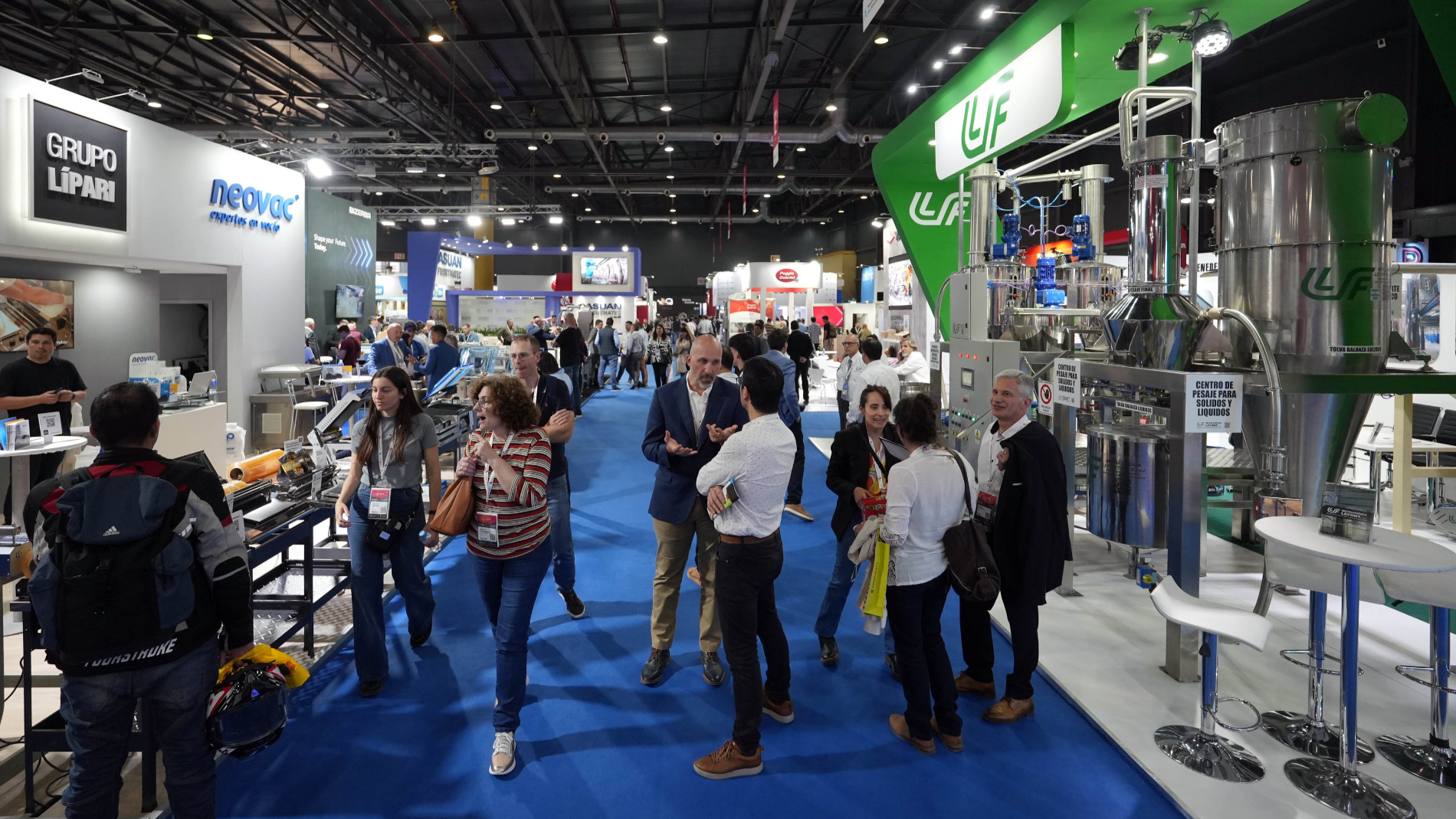
As the region’s leading trade fair, Tecno Fidta in Buenos Aires, taking place from 15 to 18 September, will address the key investment and innovation themes facing the Latin American food industry. The B2B trade fair for food technology, additives and ingredients brings together international technology providers with food producers and decision-makers from Argentina, Brazil, Uruguay, Paraguay, Bolivia, Chile, Colombia and Venezuela.
This year’s event will cover 17,000 square metres of exhibition space. 150 exhibitors, representing more than 500 brands, are expected to take part. On display will be, amongst other things, systems for automation and processing, packaging, industrial refrigeration, safety and hygiene, quality control, as well as process control and software. In addition, there will be solutions relating to ingredients, spices, proteins, additives and meat alternatives. At the same time, the trade fair continues to broaden its scope: alongside the established sectors, this year will see the introduction of additional product segments such as snacks and pet food. Around 15,000 trade visitors are expected to attend.
The event programme addresses current industry topics through conferences, specialist presentations and other formats. These include digitalisation and innovative processes for safe, high-quality food production, energy efficiency and sustainability in industrial refrigeration, and hygienic plant design. Business matchmaking formats will also promote exchange between exhibitors and international buyers.
“The global challenges are similar – but the solutions must be tailored to the respective market”
Interview with Kerstin Horaczek, Vice President Technology Shows, on Messe Frankfurt’s Food Technologies portfolio.
What do you mean when you refer to the Food Technologies portfolio?
Messe Frankfurt organises four trade fairs for the FoodTech sector worldwide. These include IFFA in Germany, Tecno Fidta in Argentina, Meat Pro Asia in Thailand and the Food Production Solutions Show (FPSS) in the USA. The trade fairs focus on innovations for the safe, efficient and cost-effective processing and packaging of food. With this range of events, we support the industry in key production markets around the world.
Do these events all follow the same format?
Yes and no: all our trade fairs meet the same quality standards, and exhibitors and visitors can rely on the consistently high standards we apply to our ‘Made by Messe Frankfurt’ events worldwide. At the same time, each trade fair has its own profile and is tailored to the requirements of the respective markets and regions. The global challenges in food processing are certainly similar, but the solutions need to suit the respective market. In every country, we work with local partners who bring the expertise and experience needed to create a tailored offering for the industry. IFFA, for example, is the most international and largest event in our portfolio. Although its exhibitor and visitor base has a strong European core, it also brings together people from 144 countries – making it a true magnet for the global industry. Tecno Fidta, on the other hand, has a South American focus and provides a direct gateway to the Mercosur market. Meat Pro Asia is a window onto the ASEAN region, whilst FPSS focuses on the North American market. The product segments covered by the events also vary: while IFFA covers the entire process chain relating to meat and alternative proteins, the other events also showcase processing and packaging technology for beverages, fruit and vegetables, dairy products, fish and seafood.
What is the general picture of Messe Frankfurt’s international business?
Internationality is part of Messe Frankfurt’s DNA. We have been present in global growth markets with our events for around 40 years and today have a global network comprising 29 subsidiaries and more than 50 sales partners who support our customers in around 180 countries. For many companies, particularly small and medium-sized enterprises, our events serve as a springboard into international markets. Our international business is a success story: many of our events rank as the second or third largest in their sector worldwide, after the respective flagship trade fair in Frankfurt. A look at the figures also illustrates just how important international business is to Messe Frankfurt: in 2025, we generated 48 per cent of our consolidated turnover outside Germany. This strong international presence is a key factor in our success and, at the same time, forms the basis for supporting our customers in the long term in the markets that matter most to them.
Read more about technology trends in Latin America’s meat industry in the feature article. You can find further exciting insights and industry knowledge 24/7 on Foodtech Now! – one platform, all trends. Get fresh inspiration from the world of proteins.
For more information on the Food Technologies portfolio, visit:
www.foodtechnologies.messefrankfurt.com
Tecno Fidta
International Food Technology, Additives and Ingredients Trade Fair
Buenos Aires, 15. – 18.9.2026
www.tecnofidta.ar.messefrankfurt.com

Background information on Messe Frankfurt
Sustainability at Messe Frankfurt
Downloads